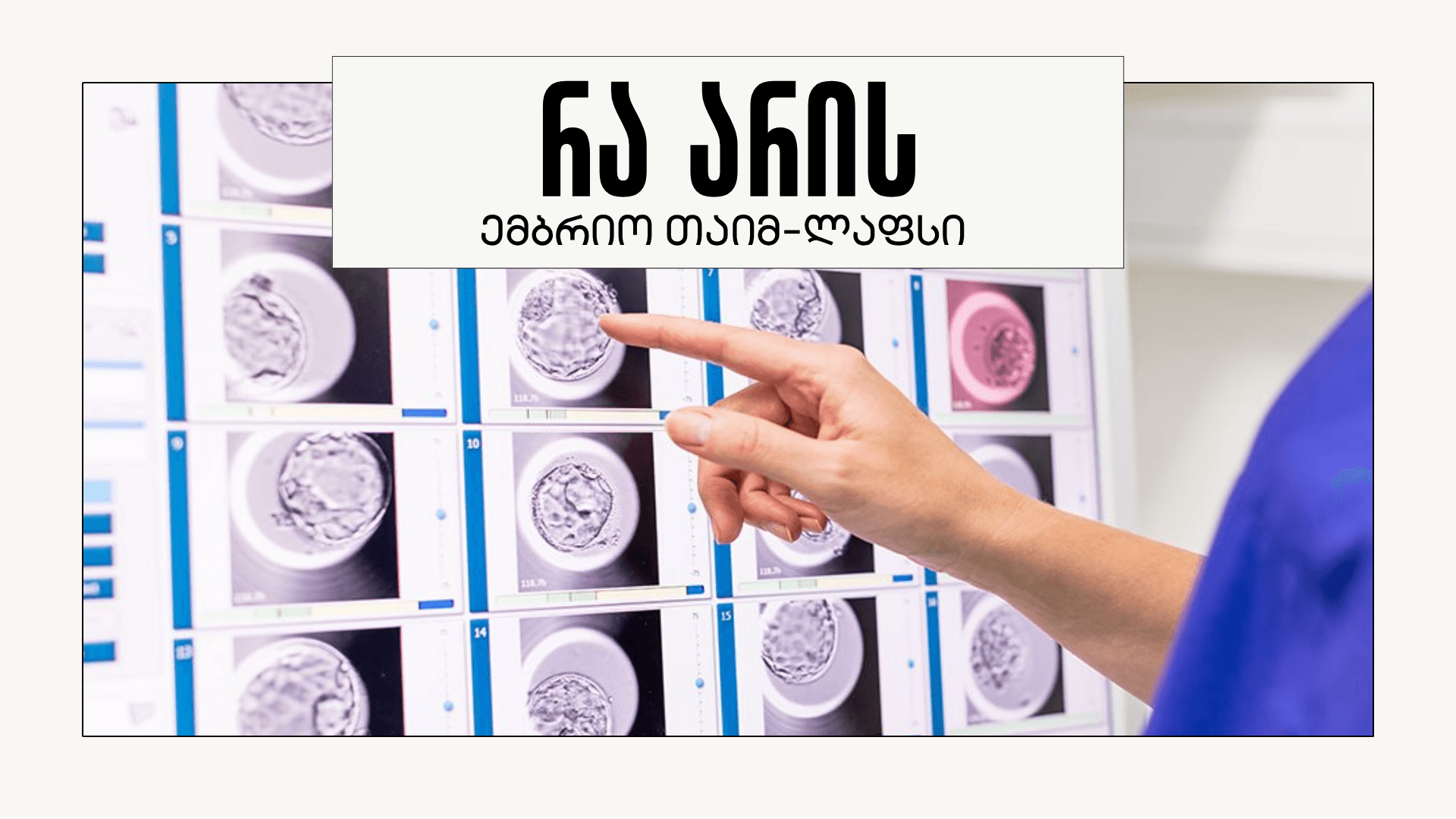
Embryo Time-Lapse represents a modern, innovative incubation system that provides continuous, detailed monitoring of embryo growth and development. The device integrates a high-resolution microscope, a camera, and artificial intelligence (AI) algorithms, which enable objective and dynamic assessment of embryo development without removing it from its culture environment.
Time-lapse technology represents a significant advancement in the field of in vitro fertilisation (IVF), as it provides non-invasive, 24-hour monitoring and maintains a stable microenvironment, which is critically important for optimal embryo development.
The key features of time-lapse incubators are:
Acquisition of embryo images at regular intervals without disrupting the culture environment;
Dynamic and continuous assessment of development;
Maintenance of stable pH, temperature, and gas concentrations, which mimics the natural conditions of the human body as closely as possible.
During traditional cultivation, embryos are periodically removed from incubators for the purpose of changing dishes (culture media), mainly on days three and five. This process causes exposure of the embryo to external factors (light, temperature fluctuations), which increases the risk of metabolic stress and limits continuous monitoring of development.
In the case of the time-lapse method, the optical system integrated into the incubator ensures constant observation of the embryo without disrupting environmental stability. This approach reduces metabolic stress and improves developmental predictability.
Limitations of traditional culture
Embryonic metabolic stress is a condition in which energy and metabolic processes are disrupted, which negatively affects embryo development and clinical outcomes. This stress is directly related to changes in environmental parameters, especially during the changing of dishes.
Parameters critically important for embryo development are pH, temperature, and gas concentrations, which determine genetic stability, the rate of cell division, blastocyst formation, and implantation success.
Based on these factors, time-lapse incubators, which provide a stable microenvironment, significantly reduce stress and improve IVF clinical outcomes.
Morphokinetic analysis and clinical significance
Morphokinetics represents the study of the timing and sequence of embryo cell division. Time-lapse systems allow the assessment of morphokinetic markers used in the embryo selection process.
Numerous studies confirm that parameters of cell division timing and synchrony correlate with the chromosomal status of the embryo and provide the possibility of non-invasive prediction of aneuploidy.
Clinical outcomes
High rate of euploid blastocyst formation;
Increase in pregnancy rate;
Improvement in the overall efficacy of IVF.