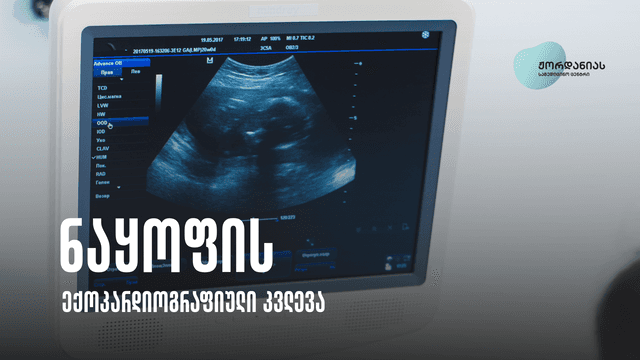
Fetal Echocardiography - Early Diagnosis of Heart Health
Fetal echocardiography is a non-invasive examination of the fetal heart using the ultrasound method. This study is conducted by a specialised cardiologist who specialises in the diagnosis of congenital heart defects. The main goal of the study is to detect or exclude structural anomalies and rhythm disturbances of the fetal heart.
Why is Fetal Echocardiography Important?
Early detection of congenital heart pathologies allows for the timely planning of both the course of pregnancy and the subsequent management of the child after birth. In the presence of pathology, appropriate antenatal surveillance — i.e., monitoring during the prenatal period — is prescribed based on the type and complexity of the disease.
If necessary, it is possible to:
Perform certain medical interventions during pregnancy
Predetermine the timing and conditions of delivery
Plan postnatal management prior to birth
Postnatally, particular importance is attached to organising the proper management of the newborn, which includes the full readiness of gynaecologists, neonatologists, and the cardiosurgical team, as well as the timely transport of the patient to a cardiosurgical clinic.
When is Fetal Echocardiography Performed?
The study is mainly performed at 22-26 weeks of gestation as part of regular screening. However, in certain cases, it can also be performed in the third trimester of pregnancy, specifically when:
A pathology has been identified that requires dynamic assessment
The pregnant woman has chronic diseases that may become a risk factor for the development of changes in the fetal heart in the third trimester
Among such changes, arrhythmias and myopathies are most frequently observed, the timely assessment of which is critically important.
Fetal echocardiography is one of the most important tools in assessing fetal heart health. Conducting it in a timely manner creates the opportunity for pregnancy and childbirth to proceed in the safest possible environment, and for the newborn to have correct and effective medical support from the very first minutes of life.