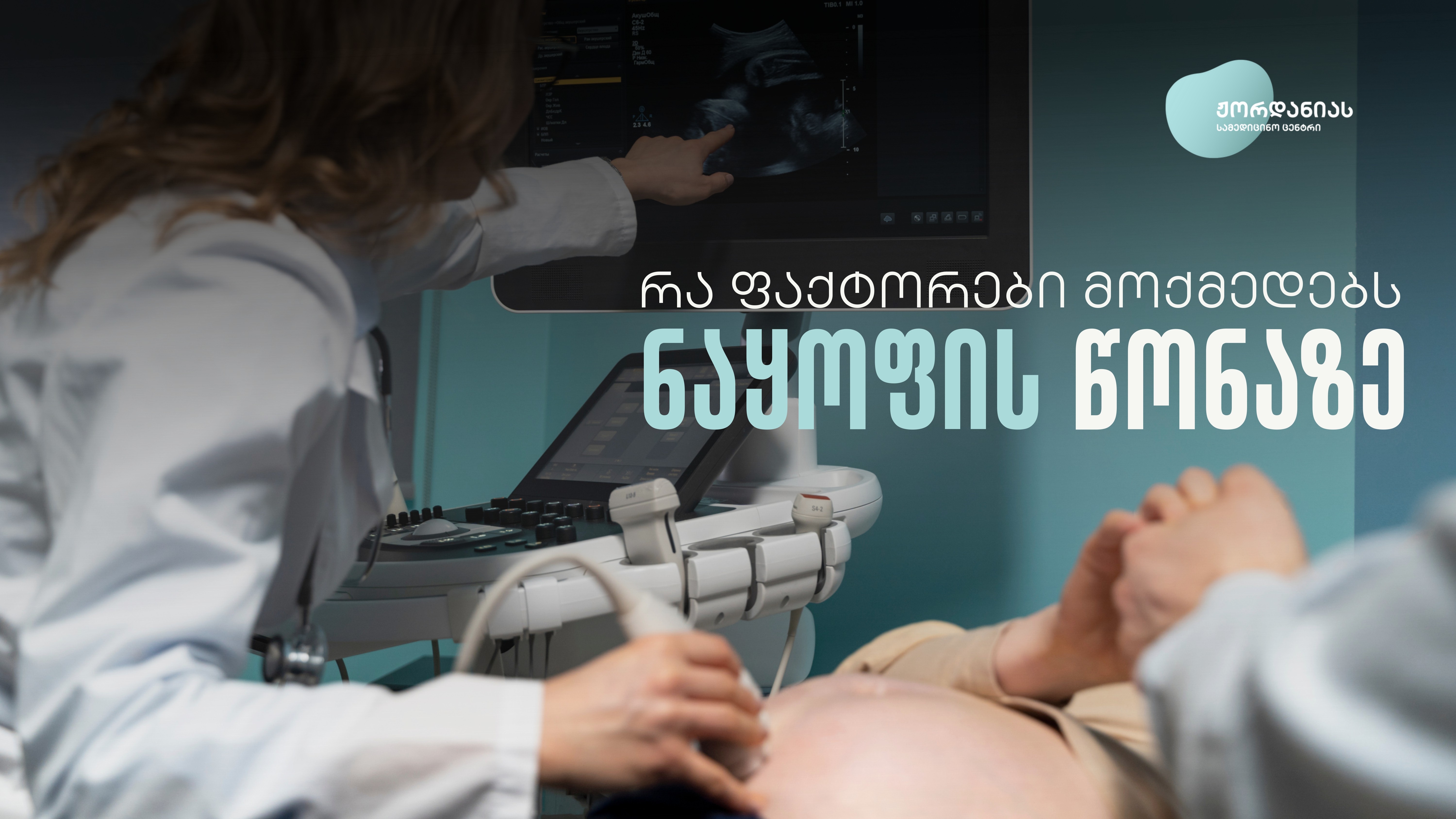
What Determines Foetal Weight During Pregnancy
During pregnancy, foetal weight is one of the important indicators that reflects the baby's development and the course of pregnancy. This indicator is influenced by biological, environmental, and health-related factors.
Genetic Characteristics
Foetal weight is partly determined by heredity. Parents' physical attributes and genetic background play a significant role in the baby's growth rate and final weight.
Maternal Nutrition and Daily Habits
The nutritional quality of a pregnant woman's diet is directly linked to the development of the foetus.
Nutrient deficiencies can lead to the birth of a low-weight infant, while excessive caloric intake can result in excessive foetal growth.
Life style is also important:
Smoking and an unhealthy diet increase the risk of low weight;
A lack of omega-3 fatty acids negatively affects foetal development;
Moderate physical activity and a balanced diet promote normal growth.
Maternal Health Condition
Certain conditions existing during pregnancy can potentially cause changes in foetal weight. For example, in gestational diabetes, the foetus receives excess glucose through the placenta, which causes its overgrowth. In such cases, timely control and management of carbohydrate metabolism are particularly crucial.
Multiple Pregnancy
In twin and multiple pregnancies, each foetus often develops with a relatively lower weight because nutrients and oxygen are shared among several babies. However, in some cases, due to genetics and eating habits, all embryos may gain more weight than normal.
Gestational Age
Premature newborns, as a rule, lag behind full-term babies in both weight and height.
Maternal Age
Younger mothers often have relatively lower-weight babies, whilst with increasing age, foetal weight increases on average.
Sex of the Baby
Statistically, boys are heavier at birth than girls.
Pregnancy Complications
Some pathologies can hinder foetal growth or cause excessive weight gain. Such conditions include:
Intrauterine growth restriction;
Preeclampsia - a complication characterised by a rise in blood pressure and signs of organ damage.
Why Excessive Foetal Weight Can Be Dangerous
Macrosomia (high-weight foetus) increases the risk of delivery complications. In such cases, a Caesarean section is often recommended, as natural delivery can be complicated by injuries and bleeding.
Excessive weight also poses a certain threat to the child itself and can cause:
Shoulder dystocia;
Clavicle fracture;
Erb's palsy (damage to the shoulder nerves);
Hypoxia;
Meconium aspiration.
How Foetal Weight is Estimated
Doctors use several methods to assess the weight and condition of the foetus:
Assessment of uterine measurements;
Ultrasound examination;
Can High Weight Indicate a Complication
Excessive foetal weight is sometimes associated with conditions such as:
Gestational diabetes
Genetic disorders
Congenital malformations
However, high weight does not always mean a problem. This is why regular monitoring and doctor visits are essential.
Prevalence of Macrosomia
Excessive foetal weight occurs in approximately 8-10% of pregnancies. In recent years, the increase in such cases has been linked to the rising average age of mothers, changes in diet, and improved living conditions.
Recommendations for the Prevention of Excess Foetal Weight
A pregnant woman's diet should be diverse and balanced;
There is no need to "eat for two" - a moderate increase in daily calories is sufficient;
Weight control throughout pregnancy is important;
Moderate physical activity promotes healthy foetal development.